The Effect of Global Economic Crises on the Personal Finances of Canadians
The Consequences of Economic Downturns for Individuals
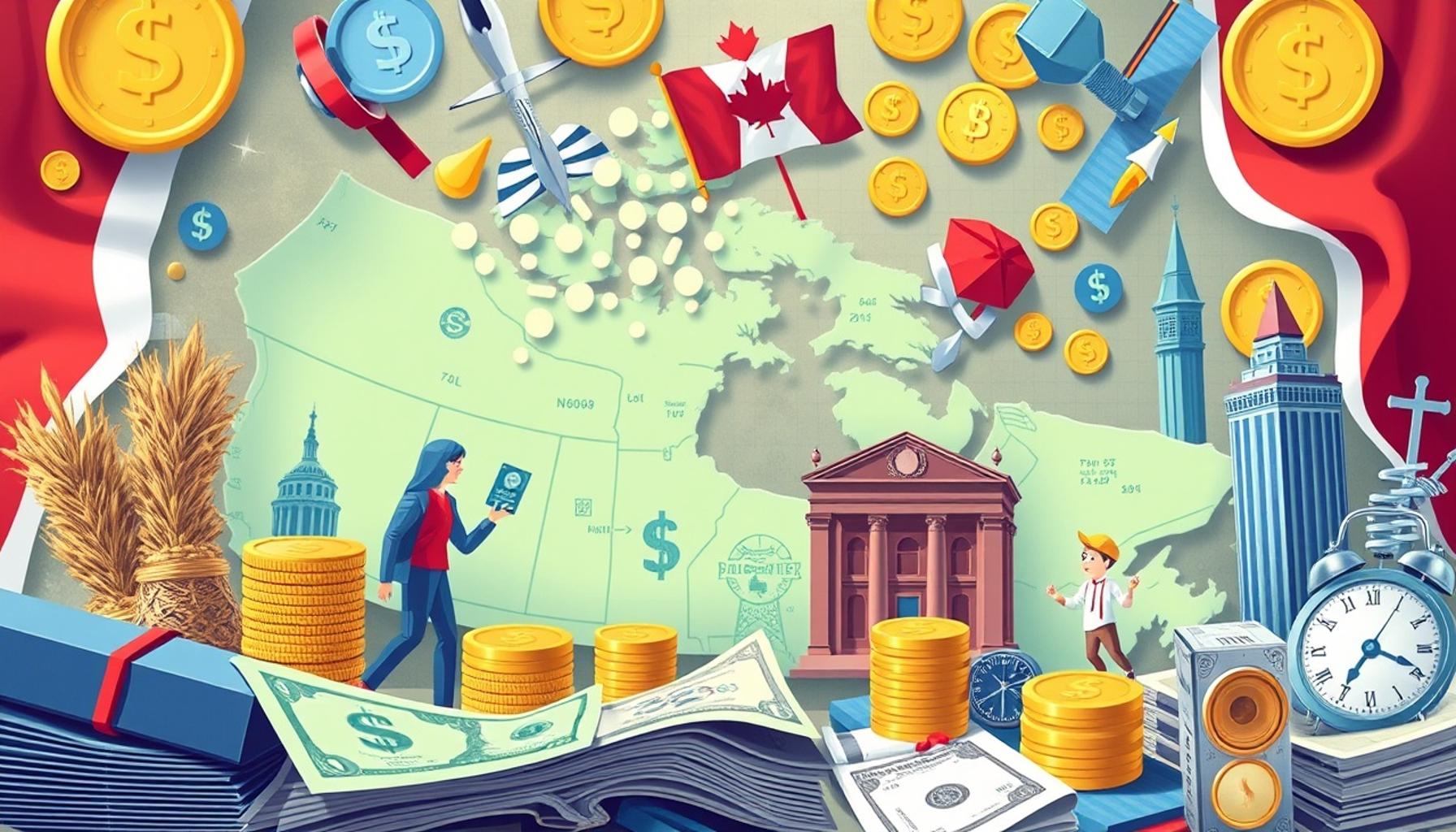
Global economic crises exert significant pressure on individuals’ personal finances, with Canadians being particularly affected given the interconnectedness of their economy with global markets. During these downturns, the ramifications can be severe, leading to challenges in employment, investments, and overall financial stability. This period can be marked by heightened uncertainty, compelling individuals and families to re-evaluate their financial strategies.
Job Losses
Job losses are one of the most immediate and palpable consequences of an economic recession. Businesses often face decreased demand for their products and services, prompting them to make difficult decisions to cut costs. In Canada, industries such as retail, hospitality, and manufacturing frequently experience significant layoffs. For example, during the COVID-19 pandemic, unemployment rates soared, leading to thousands of Canadians losing their jobs in a matter of weeks. The Official unemployment rate reached approximately 13% at its peak, illustrating just how devastating job losses can be during economic hardships.
Investment Decline
Another critical impact is the decline in investments. Volatile stock markets often accompany economic crises, and Canadians who invest in the stock market may see the value of their retirement plans and savings diminish drastically. For instance, the S&P/TSX Composite Index is a key market indicator for Canadian investors, and its fluctuations can directly affect countless individuals’ savings and pension plans. A significant downturn may lead Canadians to rethink their long-term investment strategies, potentially shifting towards safer options, such as bonds or savings accounts, that offer more stability in uncertain times.
Increased Debt
As economic pressures mount, many Canadians may find it necessary to rely more heavily on credit to meet basic living expenses. This reliance can lead to increased debt levels, as individuals tap into credit cards, lines of credit, or personal loans to cope with rising costs. A survey conducted by the Canadian Bankers Association (CBA) indicated that consumers might increase their debt levels during downturns to maintain financial liquidity. This shift often perpetuates a cycle of debt, making it imperative for individuals to reassess their financial habits and consider how to maintain a balanced budget and avoid overspending.
Amidst these financial challenges, effective personal finance management becomes indispensable. Canadians must adopt proactive measures to mitigate adverse financial impacts during economic downturns. Awareness of these challenges is pivotal in preparing for potential crises, fostering resilience, and ultimately emerging stronger in the aftermath of a recession.
In the subsequent sections, we will explore specific examples, along with actionable and practical solutions that can assist Canadians in navigating their personal finances during these turbulent economic periods. By equipping individuals with the right tools and knowledge, they can work towards stabilizing their financial situation in the face of economic uncertainty.
DISCOVER MORE: Click here to learn about the impact of non-profits on financial inclusion</p
Navigating Financial Instability: Understanding Key Challenges
The impact of global economic crises on personal finances is profound. For Canadians, understanding these effects is crucial for navigating financial instability. Various aspects of personal finance can be adversely affected during a downturn, creating a complex environment that demands strategic management. In this section, we will delve into the specific challenges faced by Canadians, providing a comprehensive overview of the financial landscape during economic turmoil.
Reduction in Consumer Spending
During economic downturns, reduction in consumer spending is a common phenomenon. As individuals experience job losses or reduced incomes, their purchasing power diminishes, leading to a decrease in discretionary spending. This shift can have a ripple effect on the economy, further exacerbating the downturn. For instance, a report by the Bank of Canada noted that household spending fell significantly during the pandemic, impacting sectors from retail to entertainment. Canadians may find themselves prioritizing essential goods and services while postponing major purchases, consequently affecting their long-term financial plans.
Rising Living Costs
In conjunction with decreased spending power, the rising cost of living often emerges as a pressing concern during economic crises. Inflation can surmount when supply chains are disrupted, driving up the prices of everyday essentials such as food, fuel, and housing. For Canadians already grappling with financial strain, higher living costs can lead to tough decisions, forcing families to stretch budgets and potentially overlook savings. A 2022 report indicated that approximately 40% of Canadians expressed difficulty in meeting their monthly financial obligations due to increased costs, illustrating a concerning trend.
Behavioral Changes in Saving and Investing
The uncertainty surrounding economic conditions often results in significant behavioral changes in saving and investing. Canadians may adopt a more cautious approach to their finances, prioritizing emergency savings over riskier investments. Financial advisors often recommend maintaining a robust emergency fund to cover three to six months of living expenses, yet many Canadians find it challenging to adhere to this guideline during economic strife. Additionally, the inclination to withdraw from investment accounts to cover pressing expenses can inhibit long-term financial growth. Thus, Canadians may benefit from understanding the importance of sound financial planning, which includes balancing short-term needs with long-term goals.
Emotional and Psychological Impact
Beyond the tangible financial effects, the emotional and psychological impact of economic crises cannot be overlooked. Increased stress and anxiety related to financial uncertainty can affect mental well-being, further complicating individuals’ ability to make sound financial decisions. It is essential for Canadians to recognize the significance of maintaining their mental health during challenging times. Seeking support through financial education, community resources, or professional guidance can bolster confidence in financial decision-making and promote resilience.
Given the multifaceted challenges faced by Canadians during global economic downturns, it becomes evident that strategic financial management is necessary. By cultivating an awareness of these issues, individuals can proactively address their finances, secure their financial future, and mitigate risks associated with economic fluctuations. In the following sections, we will explore actionable tips and strategies that can empower Canadians to weather economic storms more effectively, laying the groundwork for financial stability amidst uncertainty.
DIVE DEEPER: Click here to learn how to apply for the Neo credit card
Resilience through Financial Literacy: Building a Stronger Foundation
As Canadians grapple with the repercussions of global economic crises, enhancing financial literacy has become increasingly essential. A well-informed populace is better equipped to navigate the turbulent waters of financial uncertainty. In this section, we will explore the role of financial education, budgeting strategies, and community support in bolstering the financial resilience of Canadians during economic downturns.
The Role of Financial Education
Financial education plays a pivotal role in helping individuals make informed decisions during crises. Research indicates that individuals with a strong understanding of financial principles are more likely to engage in prudent budgeting, saving, and investing behaviors. In Canada, various organizations and governmental programs offer free resources aimed at enhancing financial literacy. Programs like the Financial Consumer Agency of Canada provide essential tools and resources designed to educate Canadians about managing their finances effectively. By participating in workshops, webinars, and online courses, Canadians can develop critical skills to evaluate their financial situation and make informed choices, thereby decreasing the likelihood of falling into financial distress during tough economic times.
Effective Budgeting Strategies
Implementing effective budgeting strategies is another crucial element of managing personal finances amidst economic uncertainty. A practical budget serves as a roadmap, allowing individuals to track income, expenses, and savings more effectively. Canadians may benefit from employing the following strategies to bolster their budgeting efforts:
- The 50/30/20 Rule: Allocate 50% of income towards needs (housing, utilities), 30% towards wants (entertainment, dining), and 20% towards savings and debt repayment.
- Zero-Based Budgeting: This approach entails assigning every dollar of income to specific expenses or savings categories, ensuring that all funds are accounted for, thereby minimizing wasteful spending.
- Regular Reviews: Monthly evaluations of budgets enable individuals to adjust financial plans based on changing circumstances, ensuring adaptability during times of economic strife.
Community Resources and Support Networks
The challenge of navigating financial crises can be alleviated through community resources and support networks. Local organizations often provide access to financial counseling, guidance, and support systems for those in need. For instance, food banks, community centers, and nonprofit organizations offer programs aimed at assisting families facing financial hardship. According to a report by The Financial Barometer, 25% of Canadians sought assistance from local charities during the recent economic downturn, highlighting the importance of community solidarity in times of crisis. Furthermore, joining support groups or online forums can provide emotional backing, as individuals share experiences and strategies for managing limited financial resources effectively.
Debt Management Strategies
During economic crises, accumulating debt can lead to significant financial strain, making debt management strategies vital. Canadians struggling with debt should consider the following measures:
- Prioritizing High-Interest Debt: Focus on paying down debts with the highest interest rates first to reduce overall interest costs.
- Consolidation Options: Investigate debt consolidation loans that aggregate multiple debts into one loan with a lower interest rate, simplifying repayment processes.
- Seeking Professional Guidance: Engaging with a certified credit counselor can provide tailored strategies and resources to navigate challenging financial situations.
As Canadians face the ramifications of global economic crises, adopting proactive measures, enhancing financial literacy, and seeking support can substantially improve their financial stability. By fortifying their financial foundation, individuals can better withstand economic challenges, ultimately promoting a resilient personal finance landscape in Canada.
DISCOVER MORE: Click here for the complete guide
Conclusion
In summary, the impact of global economic crises on the personal finances of Canadians is profound and multifaceted. As demonstrated, the repercussions extend beyond immediate monetary concerns, affecting employment stability, savings, and overall economic security. The necessity for enhanced financial literacy emerges as a crucial factor in empowering individuals to navigate these challenging times. By equipping themselves with essential financial knowledge, Canadians can make informed decisions to mitigate the adverse effects of economic downturns.
The implementation of effective budgeting strategies remains fundamental in safeguarding personal finances. Individuals who take the initiative to adopt structured budgeting techniques—such as the 50/30/20 rule or zero-based budgeting—are better positioned to manage their resources effectively while anticipating potential shifts in their financial landscapes. Furthermore, leveraging community resources and support networks fosters resilience, allowing individuals to seek assistance and share experiences that can lead to collective growth and empowerment.
Additionally, adopting debt management strategies serves as a vital means to alleviate the financial burden many Canadians face during economic hardships. By prioritizing debt repayment and seeking professional guidance when needed, individuals can enhance their financial stability and prepare for future uncertainties.
Ultimately, by embracing financial education, budgeting discipline, community support, and prudent debt management, Canadians can build a more resilient financial foundation. This resilience is paramount not only for individual well-being but also for the collective recovery of the Canadian economy in the face of global challenges. As we move forward, fostering a culture of financial literacy and proactive financial management will be essential in navigating the complexities of an ever-evolving economic landscape.
Related posts:
How International Trade Relations Affect the Personal Finances of Canadians
How Climate Change Influences Investments in the Canadian Financial Sector
The Impact of Cultural Diversity on Investment Decisions in Canada
Savings Strategies for Retirement in Canada
How Asset Diversification Can Protect Canadians' Wealth

Linda Carter is a writer and financial expert specializing in personal finance and financial planning. With extensive experience helping individuals achieve financial stability and make informed decisions, Linda shares her knowledge on our platform. Her goal is to empower readers with practical advice and strategies for financial success.