Menu

The Challenges of Student Debt and its Consequences on the Finances of Young Canadians

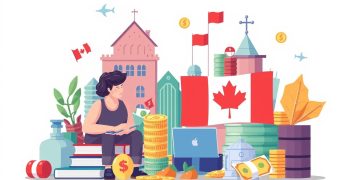
Student debt in Canada poses significant financial and emotional challenges for young graduates, impacting their career choices, mental health, and long-term financial goals. With rising tuition costs and over $28 billion in student loans, many struggle with underemployment and delayed homeownership. Comprehensive strategies are essential to navigate these burdens and foster financial literacy.

Sustainable Investment Strategies for Canadians in 2023

Canadians are increasingly embracing sustainable investment strategies in 2023, focusing on Environmental, Social, and Governance (ESG) factors, green bonds, and impact investing. This shift empowers investors to align their portfolios with personal values while contributing to societal change and a more sustainable economy amidst evolving market dynamics.

How the Pandemic Changed Canadians’ Perception of Wealth and Financial Security

The COVID-19 pandemic transformed Canadians' perceptions of wealth and financial security, emphasizing the importance of savings and adaptability. Heightened economic uncertainty led to increased financial awareness, a shift towards digital finance tools, and a redefined understanding of financial stability, prioritizing resilience and preparedness for future challenges.

The Role of Socially Responsible Investments in the Finances of Canadians

Socially responsible investments (SRIs) are reshaping the financial landscape for Canadians, aligning ethical values with financial goals. Driven by changing demographics and heightened consumer awareness, SRIs promote environmental sustainability, social equity, and strong governance. This growing trend not only offers potential financial returns but also fosters a more sustainable and equitable economy.

How Mental Health Affects the Personal Finances of Canadians

The article explores the profound connection between mental health and personal finances in Canada, highlighting the economic impact of mental health issues. It addresses employment challenges, increased treatment costs, impulse spending behaviors, and the stigma surrounding mental health, advocating for greater awareness and support to improve financial well-being among Canadians.

How the Global Economic Cycle Affects Personal Finances in Canada

The global economic cycle profoundly influences personal finances in Canada, affecting interest rates, currency values, job markets, and consumer behavior. Understanding these dynamics is essential for Canadians to navigate their finances, make informed investment decisions, and enhance financial resilience amid changing economic conditions.

How the Sharing Economy is Transforming Finance and Consumption in Canada

The sharing economy is revolutionizing finance and consumption in Canada by promoting access over ownership, enabling peer-to-peer transactions, and fostering sustainability. Innovative financial tools and services support this shift, empowering consumers to generate income and engage in collaborative consumption while adapting to new economic dynamics.

The Impact of Cultural Diversity on Investment Decisions in Canada

Canada's cultural diversity significantly influences investment decisions, providing unique market insights and fostering innovation. Understanding local demographics and community preferences enhances strategies, mitigates risks, and cultivates strong relationships. Investors prioritizing inclusivity and cultural awareness are better positioned for sustainable growth and success in the diverse Canadian market.

How International Trade Relations Affect the Personal Finances of Canadians

International trade relations significantly impact the personal finances of Canadians, influencing currency values, job markets, consumer prices, and investment opportunities. Understanding these dynamics is essential for effective financial planning, enabling Canadians to adapt to fluctuations in purchasing power, investment stability, and overall economic well-being.


How Climate Change Influences Investments in the Canadian Financial Sector

Climate change increasingly shapes investment strategies in Canada, compelling the financial sector to integrate sustainability for ethical and financial stability. As investors prioritize climate-related risks, regulatory changes, and opportunities in green technologies, the shift towards Environmental, Social, and Governance (ESG) criteria is redefining investment landscapes and enhancing long-term profitability.