
How to create a monthly budget that maximizes your smart spending
The Benefits of a Monthly Budget
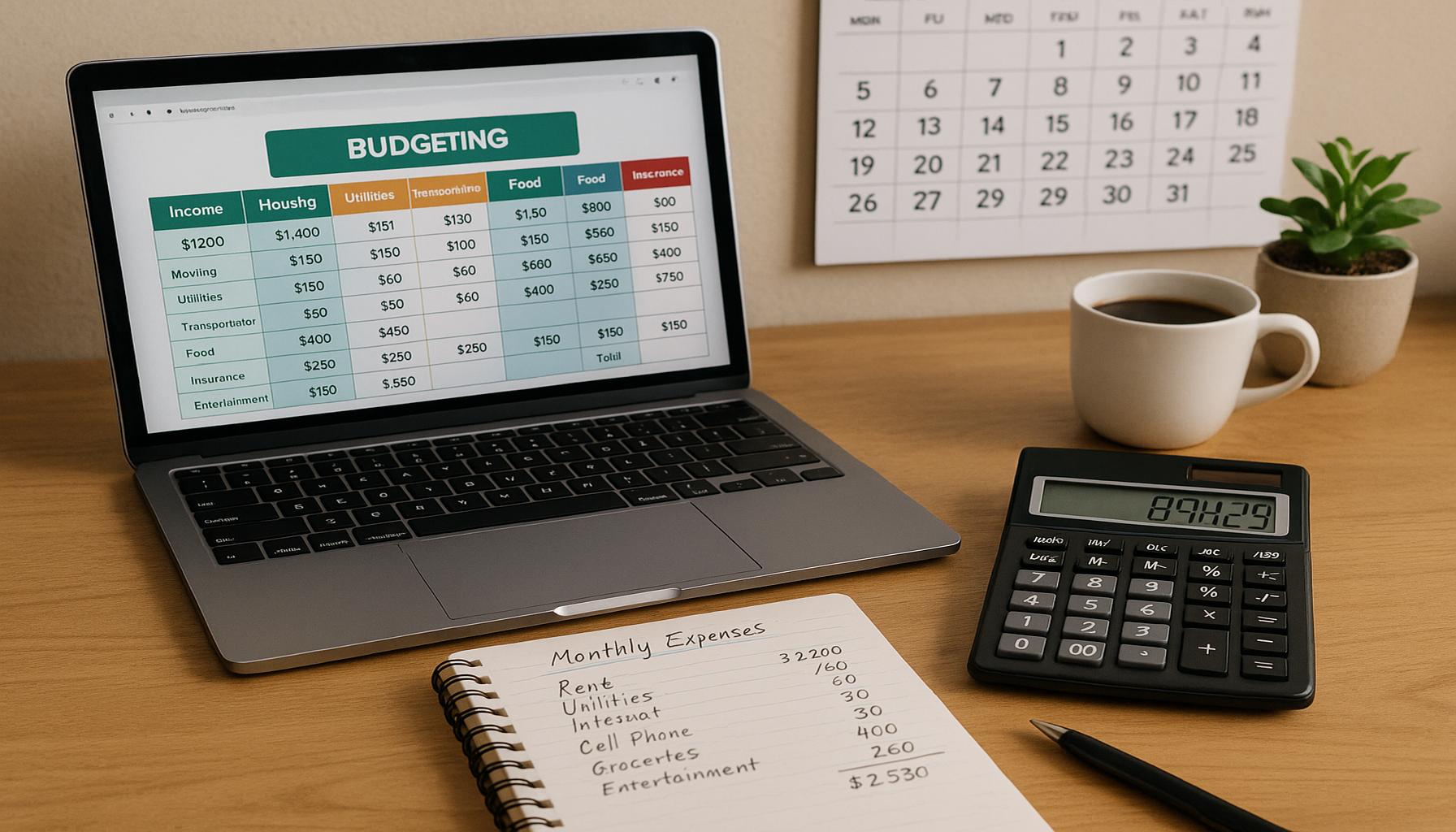
Taking the first steps toward financial responsibility is one of the most empowering decisions you can make. A well-structured monthly budget lays the foundation for a healthier relationship with your finances. It empowers you to make decisions based on your values rather than letting impulsive spending dictate your path.
One of the greatest advantages of implementing a budget is the increased awareness it fosters. By tracking your expenses, you gain invaluable insights into where your money is going each month. For instance, you may discover that you are spending more on dining out or subscriptions than you initially thought. This newfound awareness allows you to make adjustments to eliminate unnecessary expenses and redirect those funds toward savings or investments.
Greater Financial Control
With increased awareness comes greater control over your financial future. Establishing a budget empowers you to prioritize your spending and work diligently to avoid falling into the trap of debt. For example, allocating a specific amount for leisure activities and groceries means that you can still enjoy social outings and fulfilling meals without compromising your financial stability. Control helps you resist the temptation to impulse buy, ensuring that every dollar spent aligns with your long-term objectives.
Targeted Savings Strategies
Another pivotal aspect of budgeting is targeted savings. A well-planned budget allows you to set aside funds for both necessities and personal desires. Perhaps you’ve always dreamed of a family vacation to Disney World or you want to invest in a course to develop your skills further. By allocating a portion of your income toward these goals, you can watch your dreams become reality, all while managing day-to-day expenses.
It’s crucial to remember that creating a budget should feel empowering, not limiting. Think of it as an opportunity to amplify your financial potential rather than a list of restrictions. When you consciously decide where your money flows, you unlock the ability to spend smarter, live better, and enjoy your life more fully. Imagine treating yourself to that weekend getaway or investing in personal growth classes, all without guilt. With a strategic budget, you can indulge in life’s offerings while maintaining a sense of financial health and security.
Steps Toward Financial Empowerment
To start your journey toward a practical and meaningful budget, follow these essential steps:
- Acknowledge your income: List all sources of income, ensuring you have a full grasp of your financial situation.
- Track your expenses: Monitor all your spending for at least a month, categorizing it between fixed and variable costs.
- Set realistic goals: Outline short-term and long-term financial goals that can guide your budgeting decisions.
- Adjust as needed: Continually assess and modify your budget to ensure it serves you and aligns with your evolving life stages.
In conclusion, cultivating a conscious approach to your finances begins with establishing a budget. This allows you to take charge of your money and make decisions that resonate with your core values. With dedication and a commitment to your financial health, you are already on the path to achieving true financial freedom.
DISCOVER MORE: Click here for effortless application tips
Crafting Your Monthly Budget Plan
The journey to financial empowerment begins with clearly defining your budget plan. Before diving into numbers, it’s essential to approach this process with a mindset focused on your goals and values. A monthly budget isn’t merely a bunch of figures; it’s a roadmap to achieving your dreams while ensuring you maintain control over your spending. Here are several foundational steps to create a budget that aligns with your vision for smart spending:
Step 1: Acknowledge Your Income
The first step in constructing a budget is to acknowledge your income. Document all streams of income, including your salary, side hustles, or any passive earnings. This gives you a complete overview of your financial landscape. Remember that understanding your total income helps create a realistic budget that doesn’t overshoot your earnings. If you’re a freelancer, consider averaging your monthly income over several months to account for fluctuations.
Step 2: Track Your Expenses
Next, conduct a thorough audit of your monthly expenses. For at least one month, keep a detailed record of every penny spent. Categorize your expenses into fixed costs—such as rent or mortgage, insurance, and loans—and variable costs, which include groceries, dining out, entertainment, and personal care. This practice will illuminate patterns in your spending and identify areas where adjustments can be made.
- Fixed Costs: Rent, utilities, mortgages, insurance premiums, loan payments.
- Variable Costs: Groceries, dining out, subscriptions, clothing, entertainment.
Step 3: Set Realistic Financial Goals
Now that you have a clear picture of your income and expenses, it’s time to set realistic financial goals. Consider both short-term and long-term objectives. Short-term goals might include saving for a vacation or paying off credit card debt, while long-term goals could encompass building an emergency fund or saving for retirement. By having defined goals, your budget can be tailored to help you prioritize the allocation of funds effectively. Ensure these goals are specific, measurable, attainable, relevant, and time-bound (SMART) to enhance your commitment to achieving them.
Step 4: Allocate Funds Wisely
With your income figured out, expenses tracked, and goals established, it’s time to allocate funds wisely. Create budget categories based on your recent spending habits and goals. Designate portions of your income to each category, ensuring that essential expenses are covered first. Then, allocate funds toward savings and discretionary spending. This method allows you to keep sight of what matters most while also giving you the freedom to enjoy guilt-free indulgences occasionally.
Above all, remember to embrace the idea that this budget is a living document. It will require adjustments as your circumstances change. With each revision, you’ll be one step closer to mastering your financial landscape and maximizing your smart spending.
DISCOVER MORE: Click here to learn how to save money automatically
Refining Your Budget for Maximum Impact
After establishing the groundwork of your budget, it’s time to focus on refining it to truly maximize your smart spending. Creating a budget should not feel like a constraint but rather a powerful tool that enables you to enjoy your life while building a secure financial future. Let’s explore several strategic ways to enhance your spending plan for more mindful financial choices.
Step 5: Embrace the 50/30/20 Rule
A popular strategy for managing your finances is the 50/30/20 rule, which simplifies how you should categorize your spending. This guideline suggests dedicating 50% of your income to essential needs (housing, utilities, groceries), 30% to wants (dining out, hobbies, entertainment), and 20% to savings and debt repayment. By adhering to this framework, you can easily visualize where your money is going and make conscious decisions that align with your values. This approach prevents overspending on non-essentials while fostering a healthy savings habit.
Step 6: Build in Room for Fun
While budgeting can sound rigid, it is vital to build in room for fun and leisure activities. Allocate a portion of your budget to discretionary spending—these are funds specifically set aside for enjoyment. Having an earmarked amount encourages you to explore new experiences, whether that’s dining at that trendy restaurant, attending a concert, or taking a weekend getaway. When you allow yourself some freedom within your budget, you reduce the likelihood of feeling deprived, which can lead to impulsive, larger purchases later on.
Step 7: Utilize Budgeting Tools and Apps
In an era of advanced technology, budgeting tools and apps can revolutionize how you manage your finances. Consider using applications like Mint, YNAB (You Need a Budget), or PocketGuard to track your spending in real-time. These user-friendly platforms enable you to set budgets, categorize expenses, and even receive alerts when you’re approaching your limits. Many tools also allow for syncing with your bank accounts, making tracking expenditures seamless. By incorporating technology into your budgeting practice, you enhance your awareness and keep your financial goals front and center.
Step 8: Regularly Review and Adjust Your Budget
The need to regularly review and adjust your budget cannot be overstated. Life is dynamic, and your financial situation can change due to job fluctuations, unexpected expenses, or personal choices. Schedule monthly reviews to assess your progress toward goals and make necessary adjustments. This habit fosters a proactive attitude toward your financial landscape, enabling you to pivot when needed. Additionally, this ongoing review cultivates a deeper understanding of your spending habits, leading to more informed decisions and smarter spending.
Step 9: Celebrate Small Wins
Finally, don’t forget to celebrate small wins along your budgeting journey. Acknowledge your progress, whether it’s saving for a specific purchase or successfully paying off a credit card. Rewarding yourself for reaching milestones encourages continued commitment to your financial goals and fosters a positive relationship with your budget. By recognizing your achievements, you maintain motivation and reinforce the mindset that smart spending can lead to continued success and financial stability.
With these steps, you can transform your monthly budget into a dynamic tool that empowers you to make intentional financial choices, enables you to enjoy life’s pleasures, and ultimately leads you toward financial freedom. Embrace the journey of budgeting and smart spending, and watch as your financial dreams begin to manifest.
DISCOVER MORE: Click here to learn how to compare prices effectively
Empowering Your Financial Journey
Creating a monthly budget that maximizes your smart spending is more than just a tool for limiting expenses; it’s about empowering yourself through financial knowledge and control. By adopting strategies like the 50/30/20 rule, which suggests allocating 50% of your income to needs, 30% to wants, and 20% to savings and debt repayment, you can create a balanced approach to managing your finances. This framework not only helps you to understand your spending patterns but also ensures that you have a structured method for achieving both short-term enjoyment and long-term financial goals.
Moreover, allowing room for fun within your budget is essential. Life is meant to be enjoyed, and incorporating a “fun fund” into your monthly expenditures can make budgeting feel less restrictive. For instance, reserving a small percentage of your income for entertainment—like dining out or a weekend getaway—ensures that you remain motivated and engaged in your financial journey. This enjoyment can be as simple as treating yourself to a coffee from your favorite café or planning a movie night with friends, demonstrating that you can be responsible while also enjoying life.
Leveraging Modern Tools
Utilizing modern budgeting tools can further enhance your financial journey. Apps such as Mint, YNAB (You Need A Budget), and Personal Capital provide user-friendly platforms for tracking expenses, setting financial goals, and visualizing your spending habits. These resources not only simplify the budgeting process but also empower you by providing insights into your financial health at a glance. Regularly reviewing and adjusting your budget not only accommodates life’s changes—like a new job, relocation, or unexpected expenses—but also reinforces your dedication to achieving financial stability.
Celebrating Small Wins
Additionally, celebrating your progress, no matter how small, creates a motivational atmosphere around your finances. Each achievement—be it saving for a short vacation, paying off a single credit card, or effectively managing your grocery spending—signals your ability to thrive and manage your resources wisely. These small victories, when acknowledged, can fuel your determination and foster a positive mindset throughout your financial journey.
As you implement these practices, budgeting transforms from a chore into a source of creativity and freedom. By making conscious decisions that support both present enjoyment and future security, you are not merely budgeting; you are actively building a firm foundation for a brighter financial future. So take that leap today—embrace the empowering journey of financial management and watch how it transforms your life for the better.
Related posts:
How to use technology and apps to efficiently monitor and control your spending
How to choose a reliable broker for online investing
The importance of financial planning to get out of the red
Investing for Children: Best Long-Term Strategies
How to Create an Efficient and Realistic Family Budget
How to Use Compound Interest to Your Advantage in Investments

Linda Carter is a writer and financial expert specializing in personal finance and financial planning. With extensive experience helping individuals achieve financial stability and make informed decisions, Linda shares her knowledge on the our platform. Her goal is to empower readers with practical advice and strategies for financial success.