
Alternatives to Personal Loans: Options to Get Out of Debt without Compromising Your Financial Future
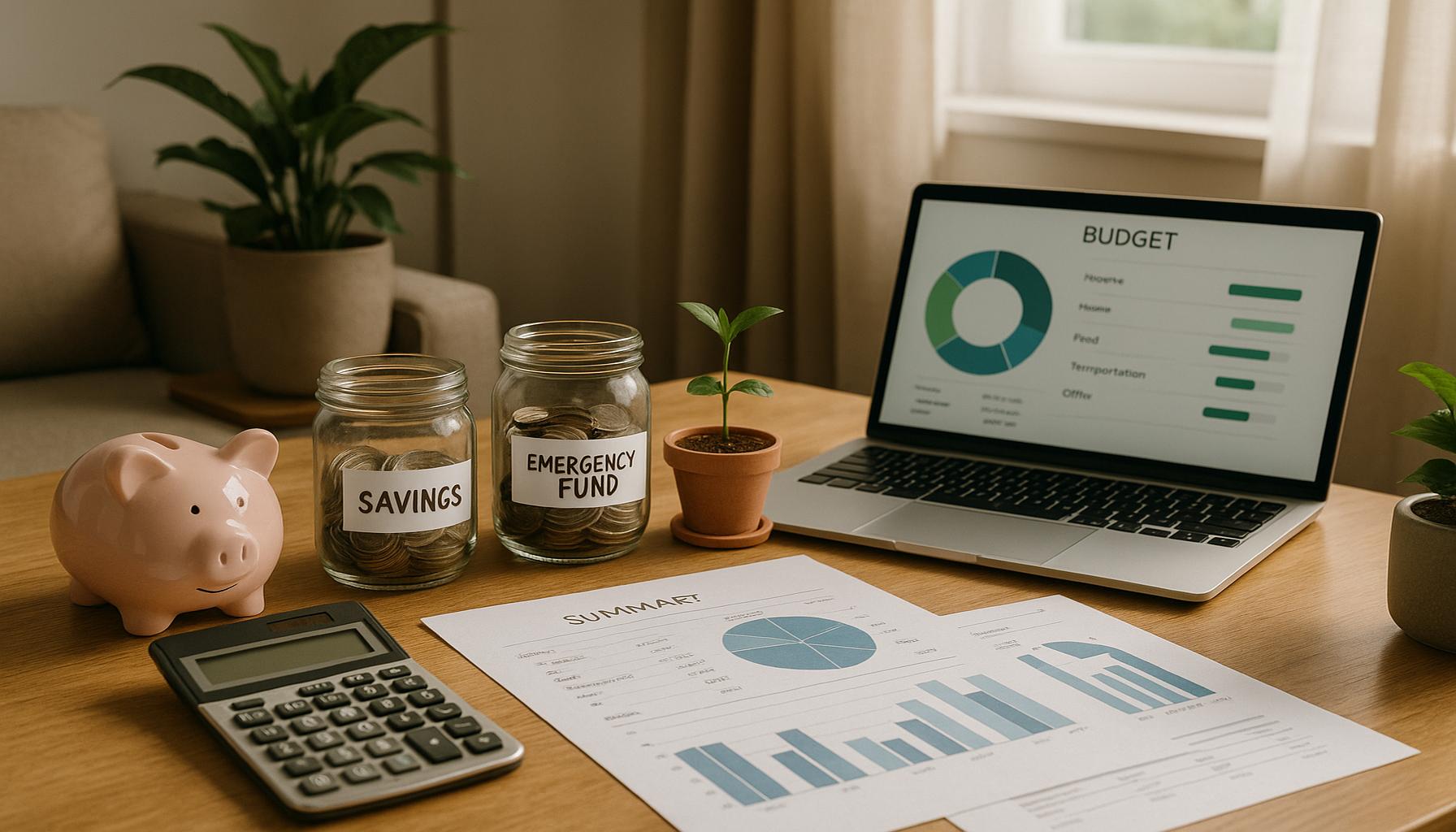
Finding Your Path to Financial Freedom
Debt can often feel overwhelming, but it’s important to remember that you have options. Instead of turning to personal loans, which can often lead to long-term financial strain, consider exploring alternatives that empower you to regain control of your finances. This journey can transform not only your current situation but also your future, allowing you to build a more secure financial foundation.
Here are some effective alternatives to help you manage and reduce your debt:
- Debt Snowball Method: This strategy encourages you to focus on paying off your smallest debts first while making minimum payments on larger debts. For example, if you have three debts—$500, $1,500, and $3,000—pay off the $500 debt first. The sense of accomplishment from clearing that debt can build your motivation, making it psychologically easier to tackle the next one.
- Debt Consolidation: By combining multiple debts into a single loan, ideally with a lower interest rate, you simplify your monthly payments and potentially reduce your overall interest payments. For instance, if you have several credit cards with high interest rates, you could consolidate them into a personal loan with a lower rate, easing your financial burden.
- Negotiating with Creditors: Don’t hesitate to reach out to your creditors. Many are willing to negotiate lower interest rates or offer extended repayment plans. This proactive approach can not only save you money but also demonstrate to lenders that you are committed to paying off your debts responsibly.
- Budgeting and Financial Planning: Reassess your budget to identify unnecessary expenses that can be eliminated or reduced. For example, consider cutting back on dining out or subscription services. The money saved can be redirected toward paying off your debts, allowing for quicker progress toward financial freedom.
- Credit Counseling: Seek professional advice from certified credit counselors who offer personalized solutions tailored to your specific financial situation. These professionals can help you develop a realistic plan that addresses your debts while also providing tips for long-term financial health.
Taking these proactive steps can help you not only pay off your debt but also ensure a healthier, more sustainable financial future. Remember, this is a journey, and each step you take brings you closer to your goals. Embrace this opportunity for growth and transformation, and realize that each positive financial decision you make contributes to your overall well-being. You possess the power to change your financial landscape; let today be the start of a new chapter in your life.
Dive Deeper: Click here to learn how to use credit cards wisely
Strategies That Empower You
When faced with mounting debt, the urge to seek a personal loan as a quick fix can be tempting. However, this path often leads to higher interest rates and prolonged financial stress. Instead, consider alternatives that can not only help you escape the clutches of debt but also promote a healthier financial future. The key is to adopt strategies that empower you and align with your long-term goals.
To guide you on this path, here are several effective strategies that can illuminate your way to financial freedom:
- Emergency Fund Creation: Before tackling debt, establishing a small emergency fund can provide you with a safety net. This might seem counterintuitive, but having a few hundred dollars set aside can help you avoid new debts from unexpected expenses, like car repairs or medical bills. By safeguarding yourself against future surprises, you can face your debt head-on without fear of further financial strain.
- Side Gigs and Extra Income: Exploring opportunities for additional income can significantly support your debt repayment efforts. Whether it’s freelancing, taking surveys, or even driving for ride-sharing apps, the extra cash can be directly applied to your debts. This approach not only accelerates your debt repayment but can also provide a sense of accomplishment as you actively contribute to resolving your financial challenges.
- Peer-to-Peer Lending: Another exciting option is turning to peer-to-peer lending platforms. These online services connect borrowers with individual lenders, often at lower interest rates than traditional banks. This alternative can be a win-win situation, providing you with necessary funds while also giving lenders a favorable return on their investment.
- Participating in a Debt Management Program: These programs, often handled by credit counseling agencies, consolidate your debts and facilitate negotiations with creditors to lower interest rates and monthly payments. Engaging with professionals not only simplifies the repayment process but also equips you with valuable financial literacy tools to help you manage your funds better.
- Sell Unused Items: Look around your home for items that you no longer need or use. Organizing a garage sale or selling items online can fetch extra cash to pay down debt. This not only provides immediate financial relief but also encourages a more minimalist lifestyle, shifting your mindset towards frugality and financial responsibility.
By embracing these empowering strategies, you take purposeful steps toward regaining control over your financial destiny. Every action you take, however small, can contribute to a larger momentum, helping you inch closer to the financial freedom you desire. Remember that the road to recovery is a journey, filled with lessons and opportunities for personal growth. The more informed and proactive you are, the more significant the transformation you can achieve in your financial life.
DIVE DEEPER: Click here to discover essential tools
Building Your Financial Resilience
As you embark on the journey towards financial recovery, it’s crucial to cultivate resilience and adaptability. This often means reevaluating your financial habits and making conscious decisions that steer you away from debt. Here are several other strategies that can empower you to overcome debt while safeguarding your financial future:
- Debt Snowball Method: This popular strategy motivates individuals by highlighting small wins. Start by paying off your smallest debts first while making minimum payments on larger ones. Once the smallest debt is eliminated, redirect those payments to the next smallest debt. This method not only reduces the number of debts you have but also boosts your morale, creating momentum as you witness your progress.
- Negotiate with Creditors: Don’t underestimate the power of communication. Reach out to your creditors to discuss your situation and see if they are willing to negotiate your terms. Many creditors would rather find a workable solution than see you defaulting on payments. This can include lowering interest rates or creating a more manageable repayment plan, allowing you to regain control over your financial obligations.
- Utilize Balance Transfers Wisely: If you have credit card debt, consider transferring your balance to a card with a lower interest rate. Many credit card companies offer promotional periods with 0% APR, which can give you a grace period to pay down your debt without accruing additional interest. However, it’s essential to carefully read the terms and avoid accumulating more debt during that time.
- Financial Education: Knowledge is power. Equip yourself with financial literacy resources, such as books, workshops, or online courses. Understanding personal finance can shift your perspective and provide you with tools to make smarter decisions. By recognizing poor spending habits and learning about budgeting, you can prevent future financial issues from arising.
- Involve Your Family: Debt can affect the entire family unit. Open discussions about finances can create a supportive environment, allowing everyone to contribute ideas and plans to curb spending habits. Involving your family can help hold you accountable while also fostering a sense of teamwork in overcoming financial challenges. Together, you can set family goals and work toward achieving them collectively.
With each of these strategies, you are not only working towards freeing yourself from debt but also cultivating a mindset of resilience and responsibility. Remember, every step you take — be it negotiating a better deal with a creditor or exploring new revenue streams — reinforces your commitment to financial well-being. This profound shift can lead you to not only dwell on past mistakes but also embrace the present moment, fostering hope and promising an enhanced future.
DISCOVER MORE: Click here to learn how to apply
Embrace Your Financial Freedom
As we conclude this exploration into alternatives to personal loans, it’s important to recognize that escaping the burden of debt is achievable without jeopardizing your financial future. The strategies discussed — from the Debt Snowball Method to making informed decisions through financial education — not only empower you to pay down your debts but also foster a healthier relationship with money.
By prioritizing open communication with creditors, utilizing balance transfers, and involving your family in your financial journey, you cultivate a supportive environment that encourages growth and accountability. These alternatives emphasize that you can regain control over your financial landscape without relying on loans that often lead to further complications.
Moreover, every initiative you take, no matter how small, contributes to your long-term resilience and self-sufficiency. As you work towards debt elimination, focus on the lessons learned and embrace the discipline it fosters. Remember, it’s not solely about obtaining immediate relief; it’s about cultivating sustainable habits that will protect your future.
Take today as the first step toward a brighter financial future. Equip yourself with knowledge, stay persistent, and surround yourself with positive influences. As you navigate the path to financial freedom, let your journey inspire you to transform challenges into opportunities for growth, securing not just short-term relief but a lifetime of stability and satisfaction.
Related posts:
The impact of the minimum credit card payment on personal finances
How to Avoid Debt While Using Payroll Loans
How Financial Education Can Prevent Debt and Promote Financial Stability
How to Save on Streaming and Entertainment Services
What is the best age to start investing?
How to Compare Prices Effectively Before Buying

Linda Carter is a writer and financial expert specializing in personal finance and financial planning. With extensive experience helping individuals achieve financial stability and make informed decisions, Linda shares her knowledge on the our platform. Her goal is to empower readers with practical advice and strategies for financial success.