
How to Shop Smart: Tips for Saving at the Supermarket
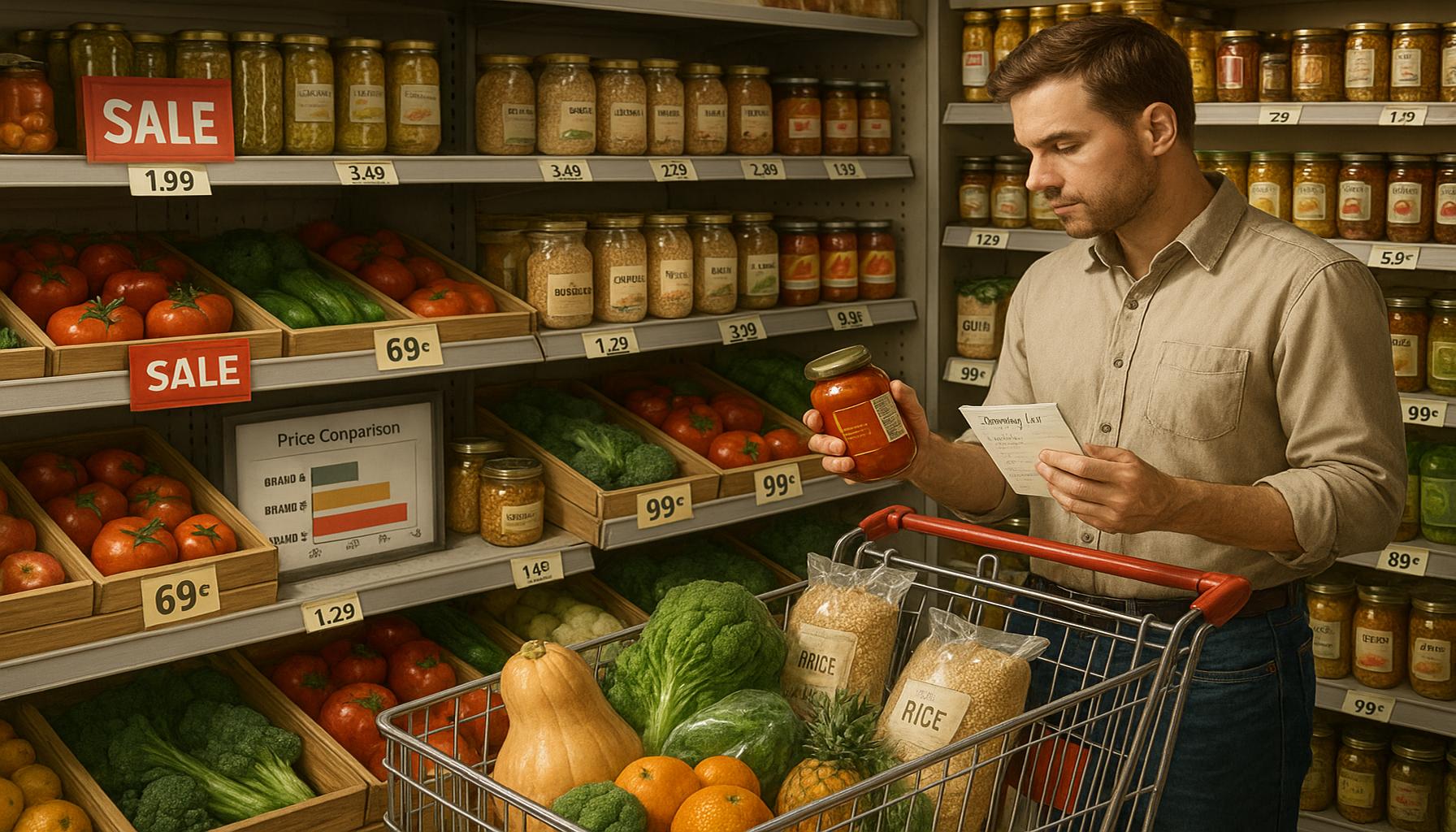
Embrace the Smart Shopper Within You
Every trip to the supermarket can feel like a challenge, but shopping smart is more attainable than you might think. With a few straightforward yet impactful strategies, you can save significant money while making your grocery shopping experience much more rewarding. By taking conscious control of your grocery habits, you’ll not only find yourself with more money in your wallet, but you’ll also cultivate a deeper understanding of what goes into your meals. Here are a few effective tips to get you started:
Plan Ahead
The cornerstone of smart grocery shopping is planning ahead. Start by creating a weekly meal plan based on what your family enjoys, taking into account any leftovers you might have. This planning doesn’t just save you money, but it can also save time during the week when you have meals ready to go. Once you have a meal plan, draft a shopping list that corresponds to the specific ingredients needed for those meals.
- Consider batch cooking: Preparing meals in larger quantities not only ensures you have ready-to-eat options but also reduces food waste and optimizes your grocery budget.
Compare Prices
In an age when convenience is key, taking just a few moments to compare prices can yield substantial savings. Use supermarket flyers, mobile apps, or even websites designed to track local prices to find the best deals available. This comparison can guide your purchasing decisions, helping you to choose products that fit both your nutritional needs and your budget. Additionally, consider joining loyalty programs or using store credit cards that offer rewards on purchases to further amplify your savings.
- Keep an eye out for sales: Stocking up on non-perishables during sales can lead to significant savings over time.
Shop Seasonally
Another effective strategy is to shop seasonally. When fruits and vegetables are in season, they are not only fresher and tastier but also generally more affordable. For example, consider visiting your local farmer’s market or grocery store in the summer, when produce like tomatoes and corn are at their peak. Purchasing these seasonal items not only supports local agriculture but also promotes healthy eating habits.
Being informed gives you the power to make choices that suit your budget while ensuring your family enjoys nutritious meals. Small changes can lead to big savings, allowing you to stretch your dollar further and enhance your culinary experience.
Imagine the satisfaction of walking out of the grocery store knowing you’ve made well-informed choices. The next time you approach the aisles of your favorite supermarket, remember that with a little effort and planning, you can transform grocery shopping into an enjoyable journey towards better financial health. Dive into these strategies and embrace your potential as a savvy shopper; a happier, healthier kitchen is just around the corner.
DISCOVER MORE: Click here to learn how to save on your daily transportation costs
Maximizing Your Grocery Budget
One of the key steps to becoming a smart shopper is understanding the value of strategic buying. This means not just knowing what you need, but also being aware of how to get the best value for your money. Keep in mind, spending wisely at the supermarket goes beyond discounts; it’s about making purchases that contribute positively to both your health and your wallet. Here are some insightful strategies to consider:
Understand Store Layouts
Grocery stores are designed with specific shopping patterns in mind. Familiarizing yourself with the layout of your local supermarket can be a game-changer. Typically, essential items such as produce, dairy, and meats are located in the perimeter of the store, while processed foods often line the inner aisles. By sticking to the store’s perimeter, you’re more likely to purchase fresher, whole foods while avoiding the temptations of less healthy convenience items. This understanding gives you the advantage of making healthier choices that are usually better for your budget as well.
Don’t Shop on an Empty Stomach
It may sound trivial, but the timing of your shopping trip can significantly impact your spending. Shopping when you’re hungry often leads to impulse buys—those extra snacks or treats that seem irresistible in the moment. To avoid overspending, try to schedule your grocery visits after a meal. This way, you’ll be more focused on sticking to your grocery list and making mindful purchases that align with your meal plan.
Embrace Generic Brands
When it comes to saving money, generic or store-brand products are often your best friends. In many cases, these products contain the same ingredients as their branded counterparts but at a fraction of the price. Taste-test these options to find which brands you like best. You may discover that you prefer the flavor of store brands! Transitioning to these options can lead to comfortable savings without compromising quality.
- Focus on pantry staples: Items like rice, pasta, and canned goods can be found in both brand-name and generic variants, giving you the flexibility to switch when needed.
- Look for buy-one-get-one offers: Often found with generic foods, these sales can further enhance your savings during a grocery run.
By deploying these smart shopping principles and making them part of your routine, you’re not just saving money; you’re fostering a more conscious and enriching relationship with food. Take pride in each decision you make at the supermarket, as every small effort contributes to a healthier lifestyle and a fuller wallet. Embracing these strategies transforms grocery shopping from a mundane chore into a proactive mission—one that’s rewarding both nutritionally and financially.
DISCOVER MORE: Click here for essential tips on choosing a reliable broker
Smart Strategies for Maximizing Savings
While understanding store layouts and the benefits of generic brands are foundational elements of smart shopping, there are additional strategies that can further enhance your grocery savings. By integrating these methods into your shopping routine, you’ll cultivate a more thoughtful approach to each grocery trip that pays dividends.
Leverage Coupons and Apps
In today’s digital age, coupons and shopping apps are more accessible than ever. Many retailers offer digital coupons that you can load directly onto your loyalty account or smartphone, eliminating the need for paper coupons and ensuring you never miss out on discounts. Additionally, dedicated grocery apps can track prices and alert you to sales or special promotions tailored to your shopping habits. Consider setting aside time each week to browse these platforms before you head to the store. The small effort can lead to substantial savings, making it a wise investment of your time.
Create a Flexible Meal Plan
A well-thought-out meal plan is essential for smart shopping, but flexibility is key. Instead of fixating on rigid recipes, aim to create a meal plan based on seasonal produce and sales at your local grocery store. This approach not only helps you save money by purchasing in-season items at lower prices but also adds variety to your meals. For instance, if you notice that bell peppers are on sale, consider incorporating them into multiple dinners for the week. A flexible meal plan fosters creativity while minimizing waste and maximizing savings.
Consider Bulk Buying Wisely
Buying in bulk can be an excellent way to save money on pantry staples and household items, but it’s essential to approach bulk purchases strategically. Items like rice, beans, and pasta often cost less per unit when bought in larger quantities. However, be cautious about perishables; only buy in bulk when you are confident you can use them before they spoil. Evaluating your consumption habits is critical. If your family frequently enjoys cereal in the mornings, then buying a large box could save you money in the long run.
- Share bulk purchases: Team up with friends or family to split large bags of food or household goods. This way, everyone benefits from the savings without the risk of excess.
- Know your pricing: Familiarize yourself with the unit price of products you often buy. This helps you discern whether a bulk purchase or a smaller size is the most economical choice.
Watch for Seasonal Sales and Stock Up
Many supermarkets run seasonal sales on certain items throughout the year, creating a perfect opportunity to stock up on your favorite products. Familiarize yourself with these seasonal trends, as certain foods may see substantial price drops at specific times—think fresh berries in the summer or canned goods during year-end sales. When you notice a fantastic deal, take advantage of it and buy extra to store for future use. This strategic approach creates a sense of security in your pantry while maximizing your savings over time.
By adopting these mindful habits, you’re not just reducing spending; you’re investing in a lifestyle that fosters financial well-being and promotes a healthier relationship with food. Each trip to the grocery store becomes an opportunity for empowerment—an adventure where your choices shape your health and wealth. Keep these strategies in your back pocket as you navigate aisles, and watch your savings grow.
DIVE DEEPER: Click here for more insights
Final Thoughts on Shopping Smart
As you embark on your journey to shop smartly, remember that each grocery trip is an opportunity not just to buy food, but to cultivate financial savvy and make conscious choices for your household. By incorporating the strategies discussed, such as utilizing coupons, creating flexible meal plans, buying in bulk, and being mindful of seasonal sales, you’re not only maximizing savings but also embracing a more sustainable and intentional lifestyle.
Consider this: every dollar saved at the supermarket is a step towards greater financial freedom, allowing you to allocate your resources to other important areas of your life, whether it’s saving for a dream vacation, investing in education, or simply enjoying a little more leisure time with loved ones. The habits you develop today can lead to a tomorrow filled with less financial stress.
Furthermore, through these mindful shopping practices, you foster a deeper relationship with food, encouraging healthier eating habits and reducing waste in the process. So the next time you enter the grocery store, go in armed with your list, your strategies, and a confident mindset. As you make choices that reflect both your economic goals and personal values, you’re not merely shopping; you’re making empowered decisions that resonate throughout your entire life. Happy shopping, and may your savings soar!

Linda Carter
Linda Carter is a writer and financial expert specializing in personal finance and financial planning. With extensive experience helping individuals achieve financial stability and make informed decisions, Linda shares her knowledge on the our platform. Her goal is to empower readers with practical advice and strategies for financial success.