
Effective Strategies for Consolidating Debt and Reducing Interest
Transforming Your Financial Future
Debt can often feel like a heavy burden, weighing down your financial freedom. However, it is crucial to understand that you have the power to change your circumstances. By adopting effective strategies for consolidating debt and reducing interest rates, you can pave the way towards a brighter financial future.
Imagine waking up each day free from the constant anxiety of overwhelming bills. With the right approach, you can achieve this relief through various methods, including:
- Debt consolidation loans – These loans allow you to combine multiple debts into one manageable payment, often with a lower interest rate. For example, if you have a few credit cards with high interest rates, a debt consolidation loan can roll those balances into a single payment. This way, you only have one monthly payment to keep track of, making your financial life simpler.
- Balance transfer credit cards – Another effective strategy is utilizing balance transfer credit cards that offer zero or low interest for an introductory period, often 12 to 18 months. By transferring your high-interest credit card balances to one of these cards, you can save a significant amount on interest. Just remember to pay off the balance before the promotional period ends to avoid hefty charges.
- Negotiating with creditors – Don’t underestimate the power of communication. Reaching out to your lenders to discuss lowering your interest rates can lead to lower payments and more manageable debts. In many cases, creditors are open to negotiations, especially if you have demonstrated a commitment to paying your bills on time. This proactive effort can reduce financial stress and enhance your overall financial wellness.
These strategies not only simplify your finances but can also lead to significant savings. For instance, consolidating debts may reduce your monthly payment amount, which can provide you with extra funds for savings or investments. By taking control of your debt, you empower yourself to focus on what truly matters in life, such as spending quality time with loved ones, pursuing personal goals, or even planning for a dream vacation.
It’s time to take conscious and responsible financial actions. Setting up a budget, tracking your expenses, and being mindful of your spending habits can further assist you in maintaining a healthy financial lifestyle. Remember, every step you take towards managing your debt contributes to a healthier financial lifestyle and a brighter future.
Taking charge of your financial situation may seem daunting at first, but with determination and strategic planning, you can transform your life. It’s never too late to start on the path to financial independence and peace of mind.
LEARN MORE: Click here
Taking Control of Your Financial Journey
The journey to financial freedom begins with understanding your current debt situation and assessing the best path forward. The earlier you take action, the easier it becomes to reverse the trajectory of debt accumulation. Embracing effective strategies can help you regain control, reduce your interest payments, and ultimately, achieve your financial goals.
One of the most impactful steps you can take is to create a comprehensive list of your debts. Include the creditor’s name, outstanding balance, interest rate, and minimum monthly payment for each account. This clarity allows you to see the entire picture, making it easier to prioritize which debts to tackle first. Consider focusing on the debts with the highest interest rates; this is often referred to as the avalanche method. By addressing these debts first, you’ll pay less in interest over time and accelerate your journey towards debt elimination.
Another powerful tool in your financial arsenal is establishing a realistic budget. A budget creates a clear overview of your income versus expenses, allowing you to allocate specific amounts towards debt repayment. Here are a few key steps to consider when setting up your budget:
- Calculate your total monthly income: Include all sources of income, such as your salary, freelance work, or any additional earnings.
- List your essential expenses: Include rent or mortgage payments, utilities, groceries, transportation, and other necessary costs.
- Identify discretionary spending: Track your non-essential spending, like dining out, entertainment, and shopping. Look for areas where you can cut back to free up more funds for debt repayment.
- Allocate funds to debt repayment: Dedicate a specific portion of your income to paying down your debts. Consider using any extra funds, such as bonuses or tax refunds, for additional payments.
Additionally, leveraging financial tools and resources can help you stay on track with your budget and see tangible progress in your debt repayment journey. Several apps and online platforms cater specifically to tracking expenses, setting financial goals, and even helping you find better deals on interest rates—from refinancing options to lower-rate credit cards.
Remember, the goal is not just to pay off debt but to cultivate habits that will support your financial health in the long run. Staying informed and proactive about your financial decisions can empower you to make significant strides toward reducing your overall debt burden. Embrace the power of knowledge, and do not shy away from seeking advice from financial professionals who can offer guidance tailored to your unique situation.
Your journey to financial stability requires patience and persistence, but every effort counts. Celebrate small victories, such as making timely payments or reaching debt milestones, and harness that motivation to continue moving forward. The light at the end of the tunnel is within reach, and you have the tools and strategies to turn your financial situation around.
DISCOVER MORE: Click here to learn how to make big purchases without debt!
Embracing Debt Consolidation Options
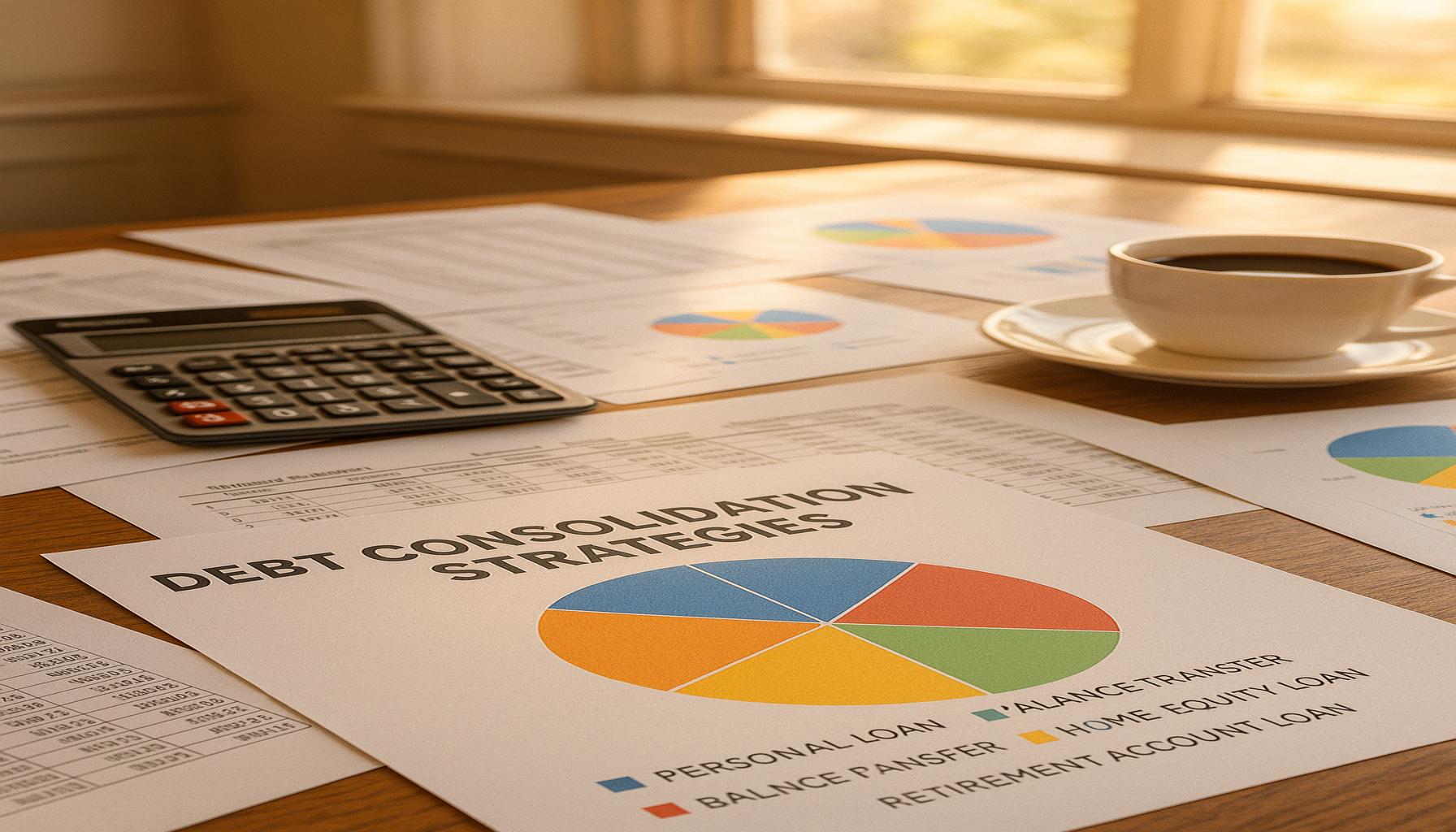
Once you have a clear understanding of your debts and a solid budget in place, it’s time to consider debt consolidation as a strategic option. This strategy involves combining multiple debts into a single loan, often at a lower interest rate, which can simplify your payments and save you money in the long run. Here are some popular methods of debt consolidation:
- Personal loans: Many banks and credit unions offer personal loans that can be used to pay off credit card debt. These loans often come with fixed interest rates and predetermined payment terms, making them a straightforward choice for many.
- Balance transfer credit cards: These cards allow you to transfer existing high-interest credit card debt onto a new card with a low or zero percent introductory interest rate. While this can save you money on interest in the short term, it’s crucial to factor in any transfer fees, and ensure you can pay off the balance before the promotional rate ends.
- Home equity loans or lines of credit: For homeowners, accessing equity can be a viable way to consolidate debt. These options typically offer lower interest rates compared to unsecured loans; however, they come with risks, as your home serves as collateral.
Before pursuing any debt consolidation option, evaluate the total cost and ensure it aligns with your long-term financial goals. Conduct thorough research to compare rates and terms from multiple lenders and choose the right option that works for your budget and situation.
Building an Emergency Fund
In tandem with your debt consolidation efforts, establishing an emergency fund is an essential shield against the unpredictability of life. The goal is to save three to six months of living expenses in a separate account. Having this financial cushion reduces the risk of accumulating more debt when unexpected expenses arise, such as medical emergencies or car repairs.
Start small if necessary—focus on saving even a modest amount each month, and consistently build from there. Automating your savings creates a seamless process, and you’ll be less tempted to dip into those funds. Every contribution counts, and this disciplined approach creates a sense of security that empowers you to face future expenses without resorting to credit cards or loans.
Consider Professional Help
Another avenue to explore is seeking assistance from credit counseling services. These non-profit organizations can provide personalized guidance and help set up a debt management plan (DMP). In a DMP, they negotiate on your behalf with creditors to potentially lower interest rates and create manageable monthly payments. While this service may come with fees, the benefits of having a professionally tailored plan can far outweigh the costs, ultimately easing your financial stress.
In addition to professional services, participating in financial literacy workshops can significantly enhance your understanding of debt management and budgeting practices. These workshops often cover critical topics such as improving credit scores, understanding loans, and future debt prevention strategies. Knowledge is a powerful tool, and investing in it will benefit your long-term financial health.
Ultimately, the journey of consolidating debt and reducing interest lies not only in the tools you use but also in the mindset you cultivate. Adopting a proactive and informed approach allows you to navigate your financial landscape with confidence, empowering you to make choices that align with your aspirations for a debt-free life.
DISCOVER MORE: Click here for valuable tips
Conclusion
In conclusion, navigating the complexities of debt consolidation requires not just strategic actions but also a fundamental shift in your financial mindset. By embracing methods such as personal loans, balance transfer credit cards, and home equity options, you can effectively streamline your payment process and reduce the burden of high-interest rates. For example, a personal loan can provide you with a lower interest rate compared to your existing debts, allowing you to pay off what you owe more quickly while saving on interest costs. Balance transfer credit cards offer promotional rates that can significantly decrease your payment amounts if used wisely. Home equity options, on the other hand, allow you to leverage the value of your home to consolidate debt, often at lower rates.
Remember that every financial journey is unique; take the time to evaluate which solution aligns best with your situation and goals. It’s essential to assess not only your financial status but also your future plans. For instance, if you anticipate a significant increase in income or a change in circumstances, that may influence your choice of consolidation method.
Additionally, building an emergency fund and seeking professional help is crucial for further empowering yourself and creating a safety net against unforeseen expenses. Having a fund for emergencies protects you from incurring more debt when unexpected costs arise, such as medical bills or car repairs. Credit counseling services and financial literacy workshops can equip you with the knowledge and skills essential for sustaining long-term financial health. These resources will help you understand budgeting, saving, and making informed financial decisions, diminishing the likelihood of falling back into debt.
Ultimately, the journey toward financial freedom is a marathon, not a sprint. Just like a runner trains for endurance, you need to develop habits that contribute to your financial well-being over time. With dedication, informed choices, and the right support, you can reshape your financial future. Embrace these strategies, believe in your ability to make responsible choices, and step confidently toward a debt-free life. Your commitment to making informed financial decisions today will pay dividends for years to come, giving you the freedom to pursue your dreams without the weight of debt holding you back.

Linda Carter
Linda Carter is a writer and financial expert specializing in personal finance and financial planning. With extensive experience helping individuals achieve financial stability and make informed decisions, Linda shares her knowledge on the our platform. Her goal is to empower readers with practical advice and strategies for financial success.